Role-playing games deliver unforgettable emotional RPG choices, from Nier: Automata's sacrifice to Baldur's Gate 3 and Undertale's moral cost.
Role-playing games have long been defined by freedom of choice. Unlike linear adventures that guide players down a single path, RPGs invite audiences to shape stories through decisions, alliances, sacrifices, and moral compromises. In 2026, that promise remains central to the genre, and some choices continue to be discussed because their consequences are not merely mechanical but deeply emotional. The most memorable RPG decisions often arrive without a clean happy ending. They force players to weigh loyalty against survival, compassion against pragmatism, and personal attachment against the greater good. The following examples, drawn from celebrated titles, demonstrate how interactive storytelling can leave a lasting emotional mark.
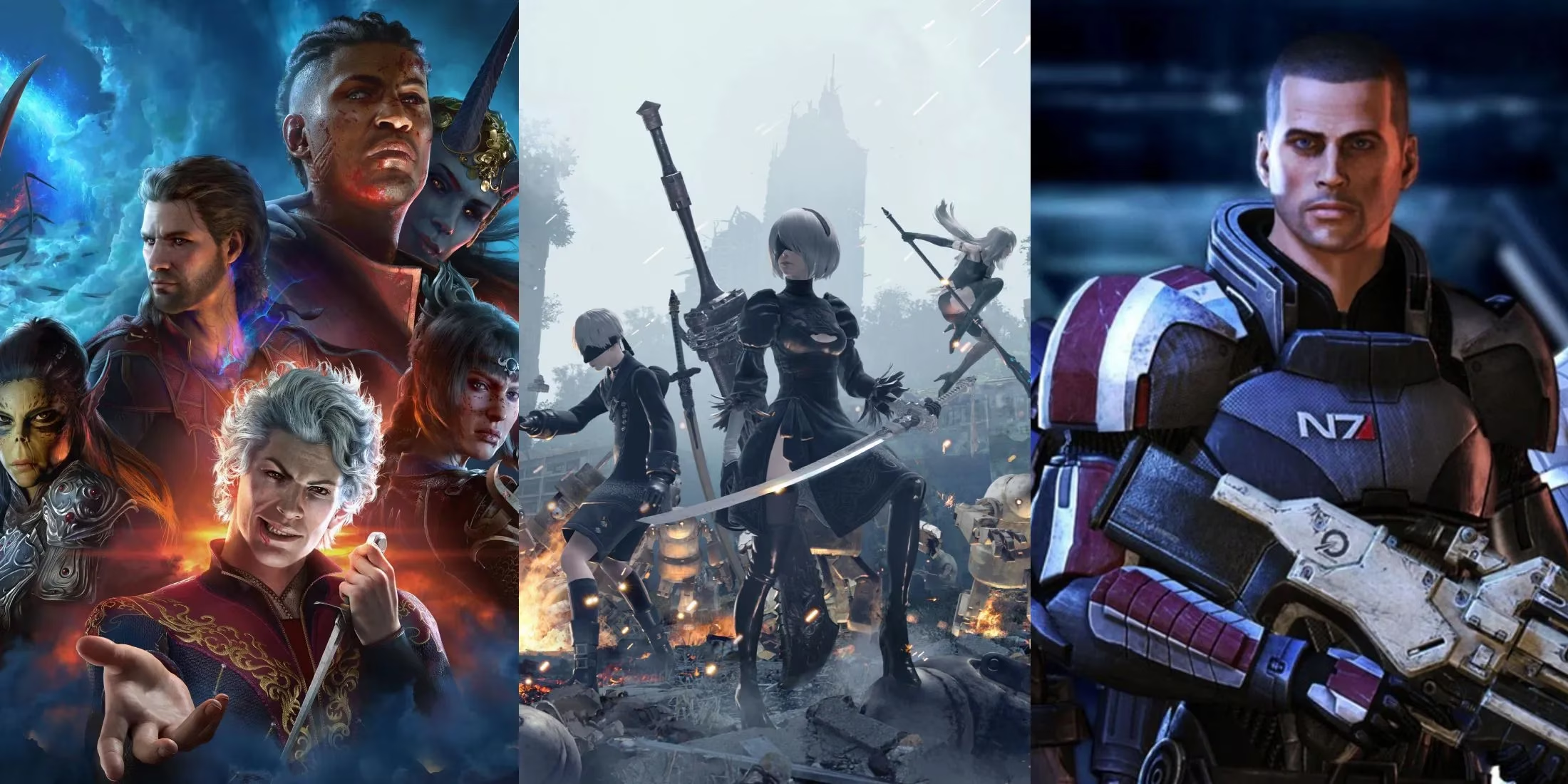
🤖 Nier: Automata — The Price of Hope
Nier: Automata asks whether machines can feel emotions, and its characters repeatedly blur the line between programming and personhood. The game offers numerous endings, including playful false conclusions, but Ending E delivers the true emotional climax. After the credits, players face a punishing projectile sequence that seems almost impossible to overcome alone. Each failure brings a question, and the most famous question asks whether the player will sacrifice their save data to help a random stranger win the same battle. Accepting deletes hours of progress, upgrades, and memories. It is an act of anonymous kindness that costs everything, and it transforms a difficult finale into a meditation on empathy, loss, and collective perseverance.
🛡️ Baldur's Gate 3 — Shadowheart's Impossible Family
Baldur's Gate 3 remains a benchmark for nuanced companions, and Shadowheart is among its most compelling figures. Her devotion to Shar conceals missing memories and a painful curse, while the House of Grief reveals surviving parents held prisoner by the goddess. Shar demands that Shadowheart kill them, condemning them to eternal torment while erasing their memory, and offers great power in return. The Selune path alters the outcome, but it does not erase the pain. If her parents die, they become Moonmotes and lift her curse while remaining as guiding lights. Betraying Shar also carries lasting consequences, dampening Shadowheart's emotions and inflicting nightly agony. There is no obvious happy ending, only different forms of grief and devotion.
🍰 Undertale — Cruelty at Home
Undertale uses retro pixel art to tell a story about a human child trapped in a world of monsters. Its flexibility allows players to spare attackers or kill without remorse, and the genocide route is infamous for its demanding boss battles. Toriel is one of the earliest major characters, offering shelter, pie, and fierce protection. She stands between the child and a dangerous exit because she wants to keep them safe. Choosing cruelty means killing this kind motherly figure, an act that feels especially cold because she never wanted to fight. The moment demonstrates how RPG freedom can become a test of the player's own compassion rather than the hero's strength.
🐺 The Witcher 3 — The Baron's Broken Family
The Baron questline is among the darkest stories in The Witcher 3, a dark fantasy RPG known for morally complicated writing. The Baron's wife and daughter have fled after years of abuse, and Geralt becomes entangled in a search that reveals deeper tragedy. When players pursue the side quest involving the crones and the ghost tree, they face a choice that guarantees suffering. Slaying the spirit leaves Anna mentally shattered for the rest of her life, while saving it transforms Tamara into a feral creature. Either path leaves one of the Strenger women broken, and the family's story ends in sorrow rather than restoration. The decision lingers because it refuses to offer a heroic solution to domestic cruelty and supernatural meddling.
🌫️ Dragon Age: Inquisition — Who Remains in the Fade
Dragon Age: Inquisition pits the Inquisitor against Corypheus and the tear in the veil that lets demons pour into Thedas. The journey spans dangerous locations and returns to the Fade, where the game presents one of its most heartbreaking choices. Someone must remain behind in the Fade, where death is certain. That person is either Hawke from Dragon Age 2 or one of three possible Wardens: Stroud, Loghain Mac Tir, or Alistair. If Stroud is present, the decision may feel simpler, but including Alistair forces players to choose between a protagonist they controlled for an entire game and a beloved companion or romance from Dragon Age: Origins. The choice is nearly impossible because every option honors sacrifice while inflicting personal loss.
🧬 Mass Effect 3 — The Genophage and Mordin
Mass Effect 3 builds toward the final confrontation with the Reapers, but smaller decisions carry enormous weight. The krogan genophage is a bioweapon that renders the krogan almost entirely infertile, and curing it could reshape the galaxy. Shepard learns that the cure has been sabotaged, meaning the genophage would remain in place. On Tuchanka, the commander can keep quiet or reveal the truth. Staying silent condemns the krogan to genocide, and stopping Mordin Solus may require shooting him. Mordin is a beloved companion from Mass Effect 2 who seeks redemption for his work on the genophage. Killing him is devastating not only because it ends an old friendship but because it prevents the atonement he desperately wanted.
💥 Mass Effect — Virmire's Unavoidable Loss
Even the first Mass Effect delivers a choice that still hurts. Kaidan and Ashley are dedicated human companions aboard the Normandy, willing to die for the mission. During the Virmire assault, the squad must ensure a bomb detonates and destroys Saren's facility. One companion must stay behind, and there is no way to save both. Shepard must make the call after spending time with each soldier, knowing that one will die. The decision is devastating because it is not about ideology or reward; it is about accepting that leadership sometimes means choosing which loyal friend will not return.
| Game | Decision | Emotional Cost |
|---|---|---|
| Nier: Automata | Sacrifice save data to help a stranger | Deletes personal progress for anonymous hope |
| Baldur's Gate 3 | Shadowheart's parents | Grief, curse, or eternal torment |
| Undertale | Kill Toriel | Betrays early kindness and trust |
| The Witcher 3 | Save or slay the ghost tree | Guarantees tragedy for the Baron's family |
| Dragon Age: Inquisition | Leave Hawke or a Warden in the Fade | Permanent loss of a beloved figure |
| Mass Effect 3 | Conceal the sabotaged genophage cure | Genocide and possible death of Mordin |
| Mass Effect | Choose Kaidan or Ashley on Virmire | Unavoidable death of a loyal companion |
These decisions remain powerful in 2026 because they treat choice as a burden rather than a power fantasy. They ask players to sit with ambiguity, to accept irreversible consequences, and to remember that not every heroic path leads to a happy ending. That emotional honesty is why RPGs continue to be celebrated as some of the most affecting stories in interactive entertainment. 🎮
COMMENTS