These best JRPG sequels set new standards, from Kingdom Hearts 2 to Persona 3. See why these follow-ups perfected and elevated their franchises.
The art of the sequel is an exceptionally difficult and delicate one. It’s not that hard to just dump a bunch of existing characters into a half-baked new adventure. It takes real dedication and vision to create a sequel that not only utilizes established designs but elevates them in novel ways. This is a particularly tricky prospect in JRPGs, which tend to be very large, intricately-designed games from the outset. Despite the high bar, there have been plenty of JRPG sequels over the years that have successfully cleared it. These games took settings, characters, and mechanics that we already knew and either evolved them or took them off in entirely unexpected directions. In 2026, as we look back at some of the most beloved JRPG franchises, certain sequels stand out as shining examples of how to do it right. Here are ten that didn't just follow up—they set new standards.
10. Kingdom Hearts 2 – High-Flying Action
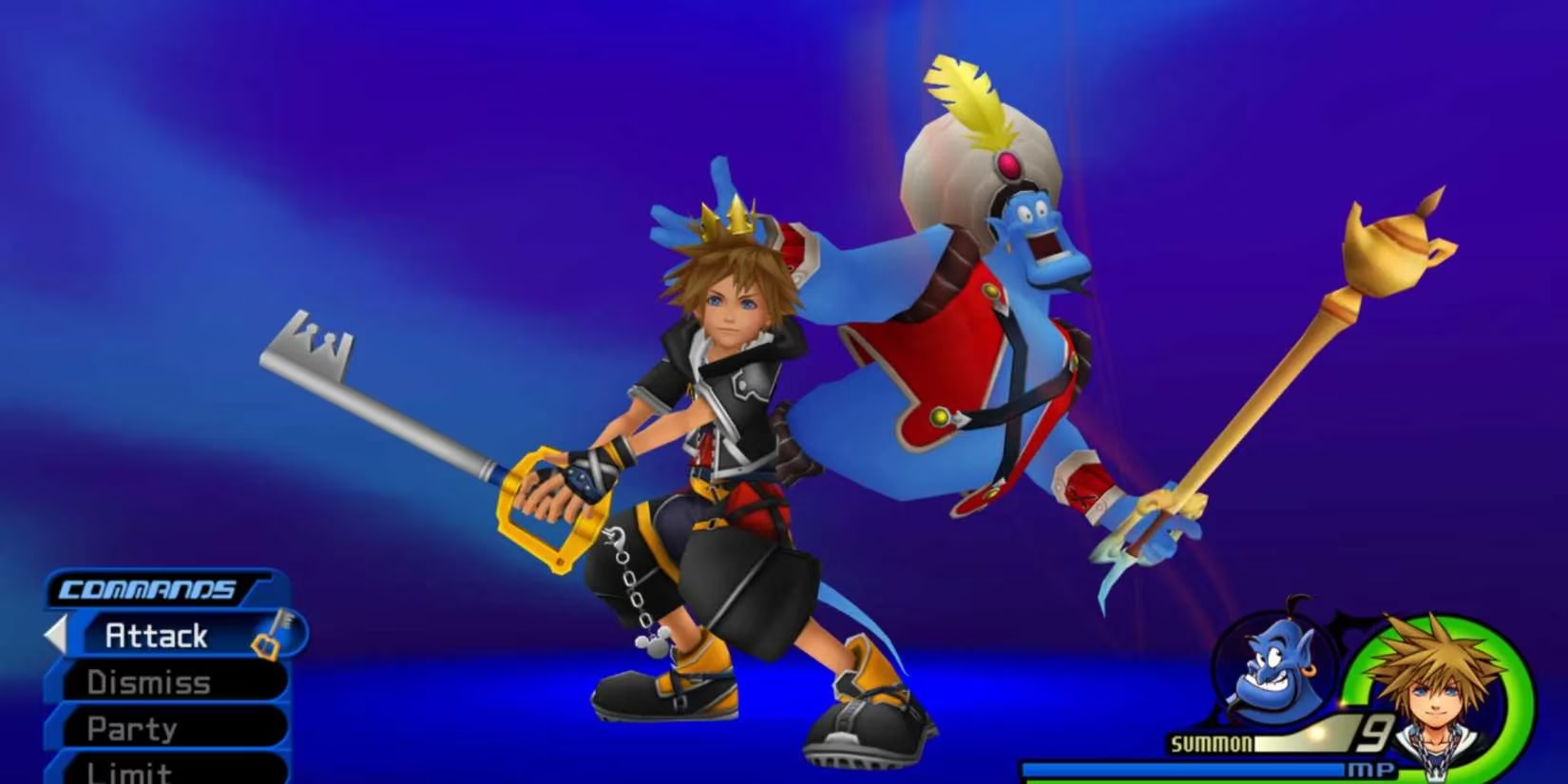
The original Kingdom Hearts remains one of the wildest hail marys ever thrown by the game industry, and that’s saying something. Combining Disney and Final Fantasy wasn’t something anyone expected, and the odd idea wasn’t without its rough edges. Still, it managed to stake a claim on our hearts, which was cemented even further by Kingdom Hearts 2. Everything about Kingdom Hearts 2 was improved, with particular emphasis on more action-packed, high-flying combat. The introduction of the Reaction Command system for situational super-moves was a stroke of brilliance that’s stuck with the franchise to this day. Sora's journey through new Disney worlds felt more fluid, more thrilling, and more emotionally resonant. It was a sequel that didn't just repeat the formula—it perfected it.
9. Mother 3 – More Laughs, More Tears
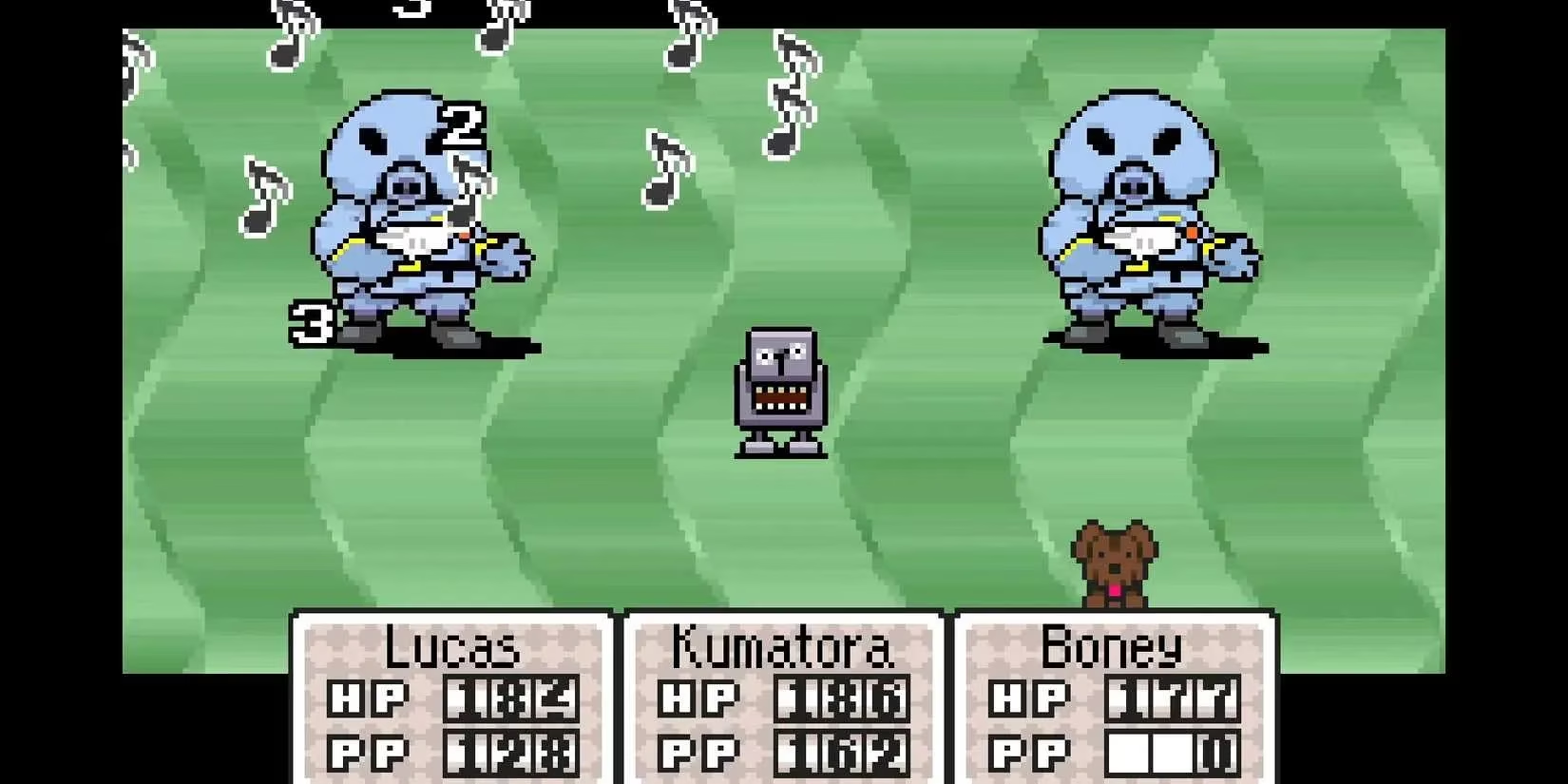
Mother and Earthbound are both brilliant games, combining amusingly off-kilter settings with a novel combat system. However, the true realization of Mother’s identity was really achieved with the release of Mother 3. Mother 3 introduced both quality-of-life features like dashing and cool combat wrinkles like the rhythmic attack system. Moreover, Mother 3’s more advanced character animation helped to tell a story that really tugged at your heartstrings all the way through. There’s a reason people still want this game to come westward decades later: it’s just that good. Even in 2026, the emotional impact of Mother 3 remains undiminished, a testament to its masterful storytelling.
8. Persona 3 – Establishing Its Own Identity
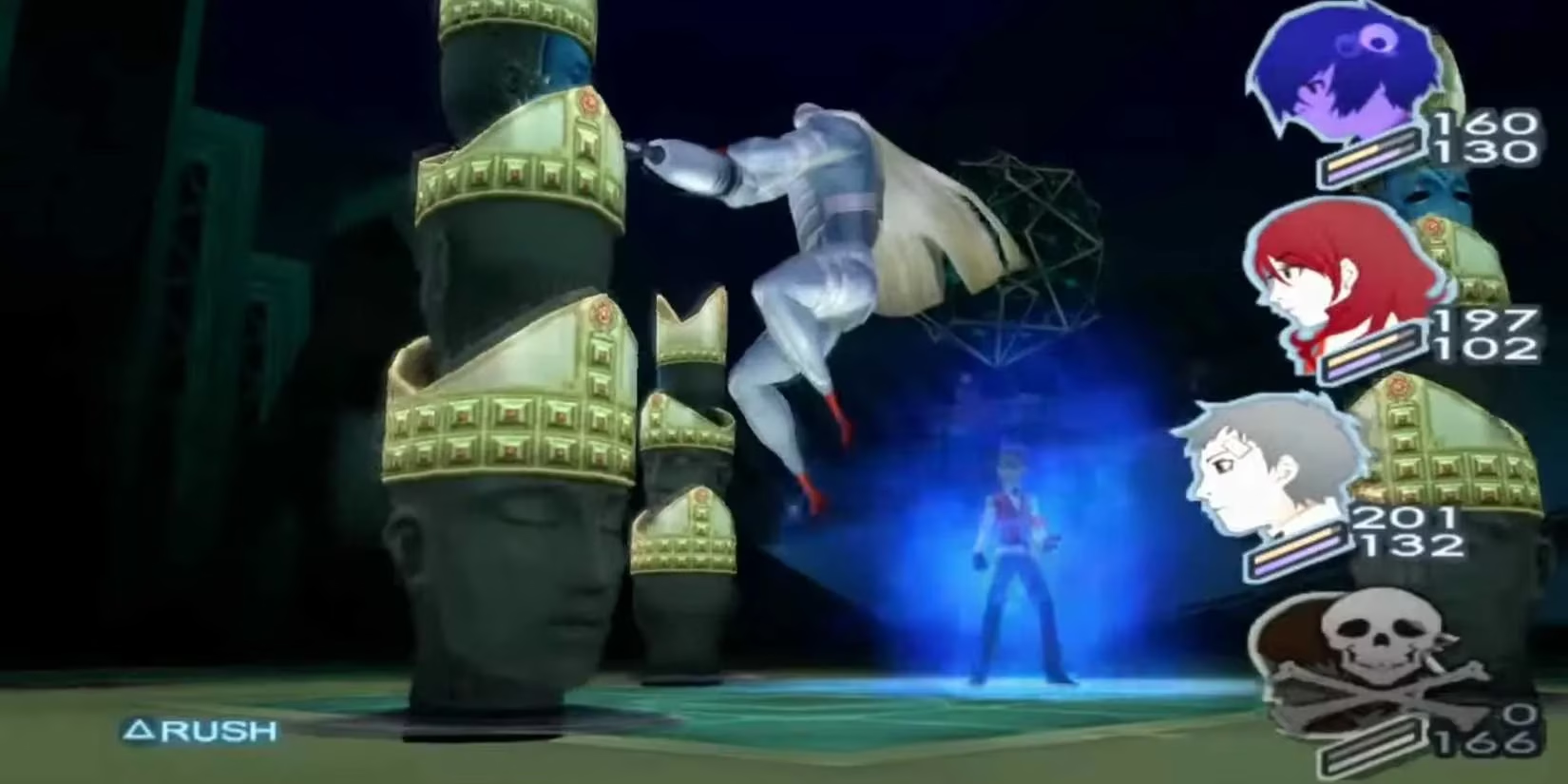
Megami Tensei is one of the oldest JRPG franchises out there, notable for, among other things, its sheer number of spin-offs. One of those spin-offs was the original Persona game, which put a greater emphasis on contemporary settings and characters. While the first two Persona games weren’t bad by any means, they were still pretty heavily rooted in Megami Tensei’s mechanics. This changed with the release of Persona 3. Persona 3’s weakness-hunting combat and regimented calendar created an addicting gameplay loop that has since allowed Persona to become a juggernaut in its own right, independent of its roots. The Dark Hour, the Evoker, and the unforgettable cast set a new template for the series that still resonates today.
7. Pokémon Gold & Silver – A New Realm Of Pocket Monsters
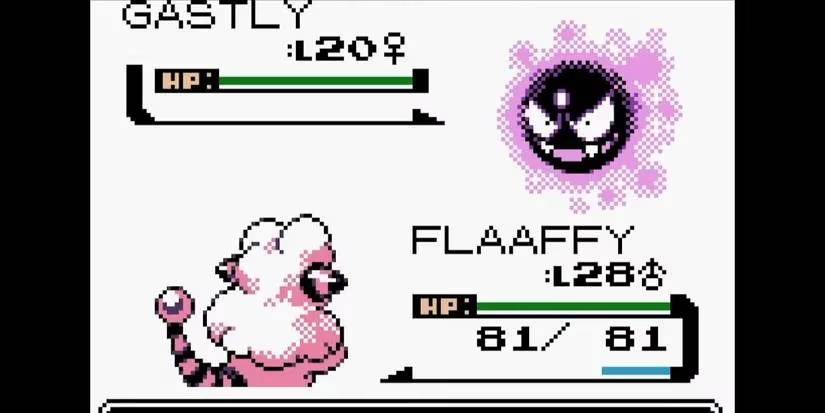
While we take for granted that every new Pokémon game is going to take us to a new region with new Pokémon these days, that wasn’t always the case. In the old days of Red & Blue, it was 150 and no more (unless you cheated and caught Mew). The release of Pokémon Gold & Silver, however, completely threw all of us for a loop. Just like that, we had not only an entire new region to explore, but 100 new Pokémon to catch, not to mention new types in Steel and Dark. It was a game that doubled the scope of the original while refining everything from the day-night cycle to the breeding system. Gold & Silver proved that a sequel could be more than just an expansion—it could be a whole new world.
6. Paper Mario: The Thousand-Year Door – Wilder And Wackier
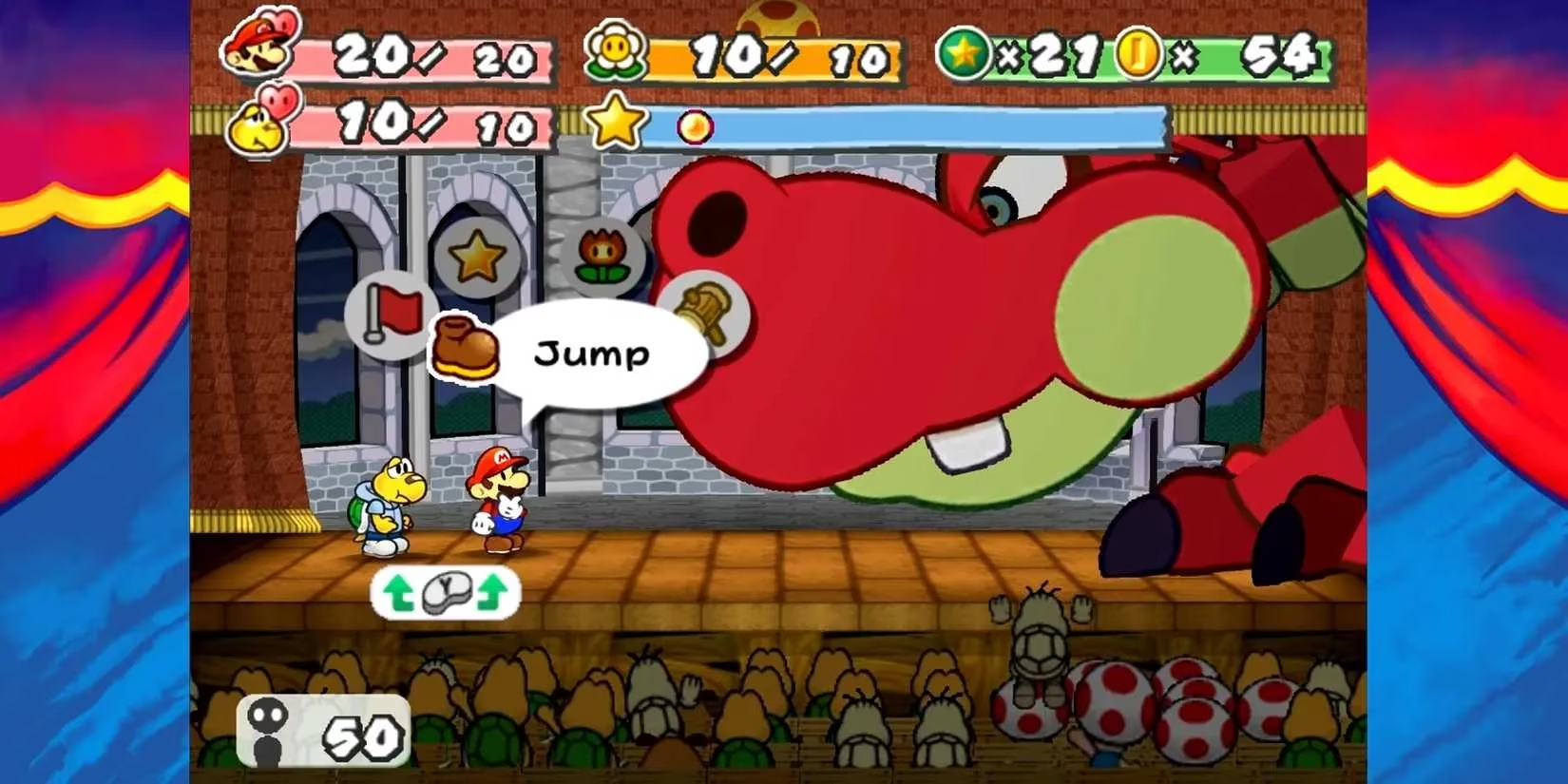
The original Paper Mario was released in 2000 for the Nintendo 64. It was a big evolution on Mario’s previous RPG adventure, but while it was a great game, it was missing a certain something. Whatever that something was, they apparently found it and put it in The Thousand-Year Door. Thousand-Year Door is a direct improvement on its predecessor, with more varied and strategic combat, bigger and more bombastic setpieces, and a generally wider world to explore. It managed all of this while still being a very accessible and family-friendly game, which is an accomplishment in itself. The witty writing and the cursed theater setting made it a standout that fans still clamor for today.
5. Bravely Default 2 – Broader JRPG Appeal
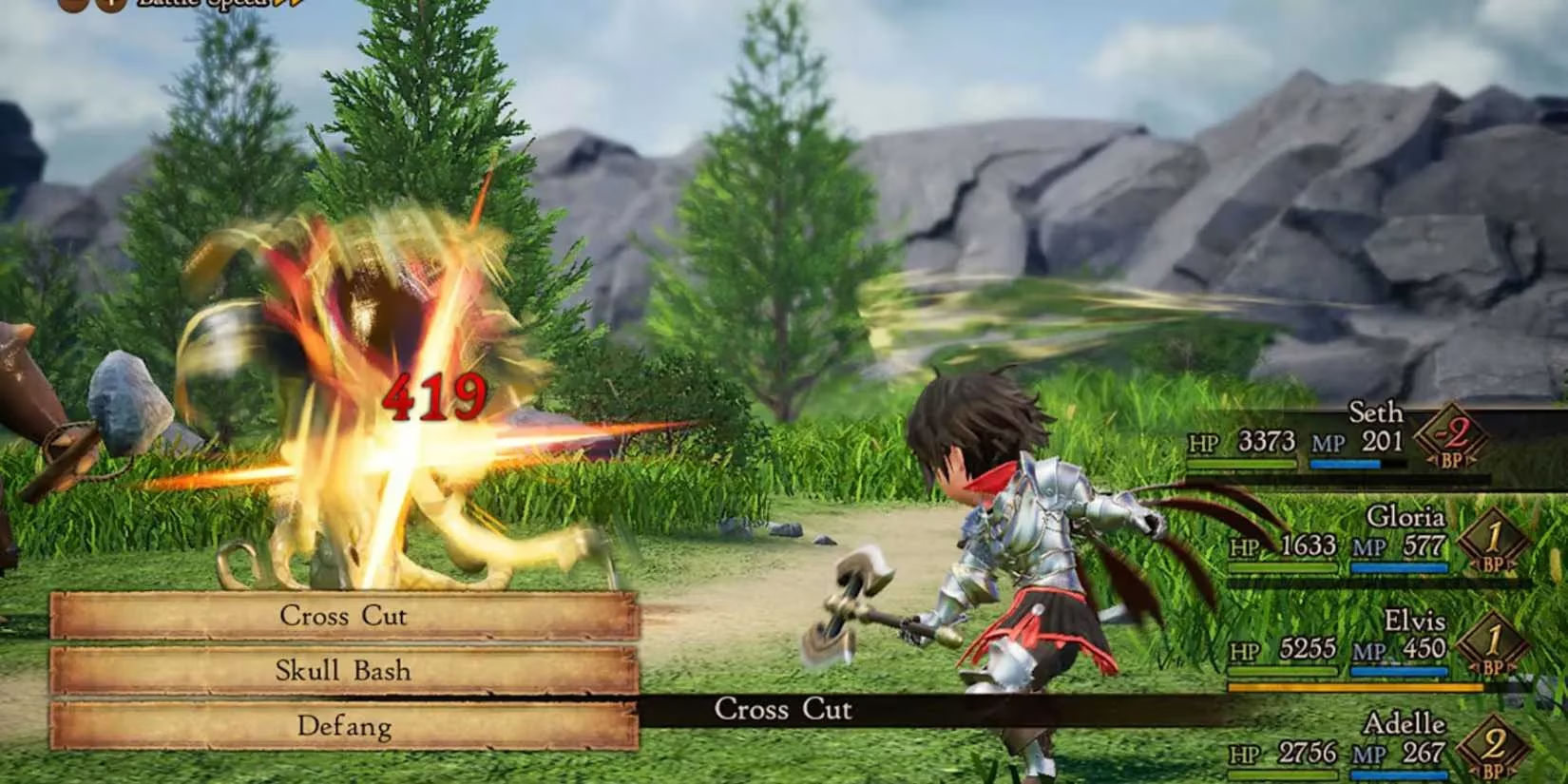
If you want to get technical about it, Bravely Default 2 is actually the third Bravely Default game. The original Bravely Default had a direct sequel, Bravely Second, but Bravely Default 2 is the second overall game in the series. The transition from 3DS to Nintendo Switch certainly brought with it a greater degree of technical complexity and presentation. Bravely Default 2 incorporated a lot of smart design choices that made the series a little more accessible to JRPG fans at large. This includes deeper, more nuanced combat, swapping out random encounters for enemy field symbols, and a generally faster introduction to the story. It was a sequel that learned from the past while embracing the future.
4. Octopath Traveler 2 – Stories Intersect
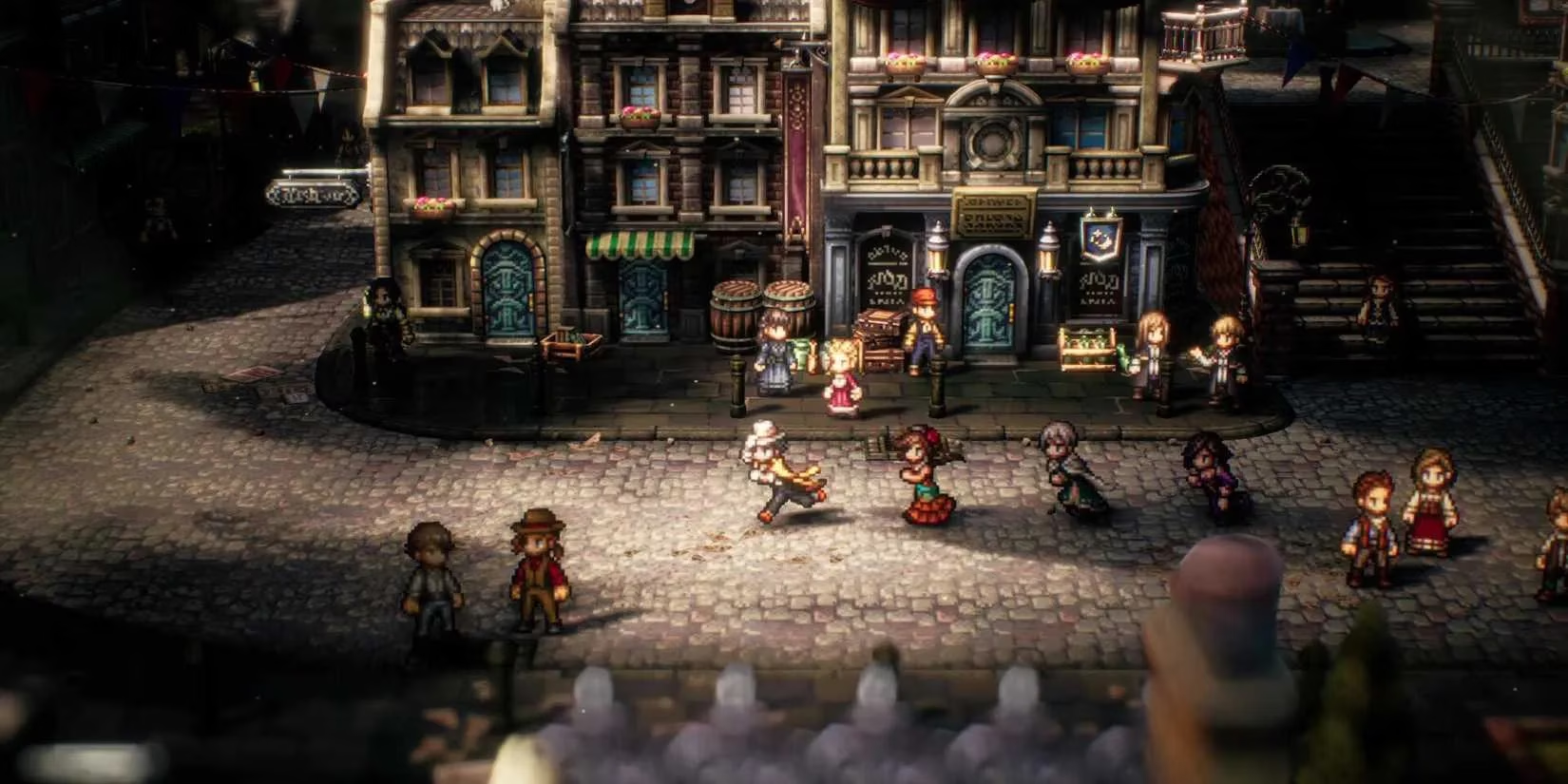
Octopath Traveler was Square Enix’s first “HD-2D” game, a new kind of art style combining traditional pixel sprites with high-res artwork and backgrounds. It was a great game, though there were some shortcomings, particularly the lack of interaction between character stories. Octopath Traveler 2 solved this problem and more, bringing the characters closer together in their own stories as well as making it much easier to experience the big finale at the end. It’s also packed with quality of life improvements such as faster combat speed, job overhauls, and travel banters that can’t be missed. The sequel didn't just refine the formula—it gave each traveler a more meaningful connection to the whole.
3. Tales of Berseria – Building A Future From The Past
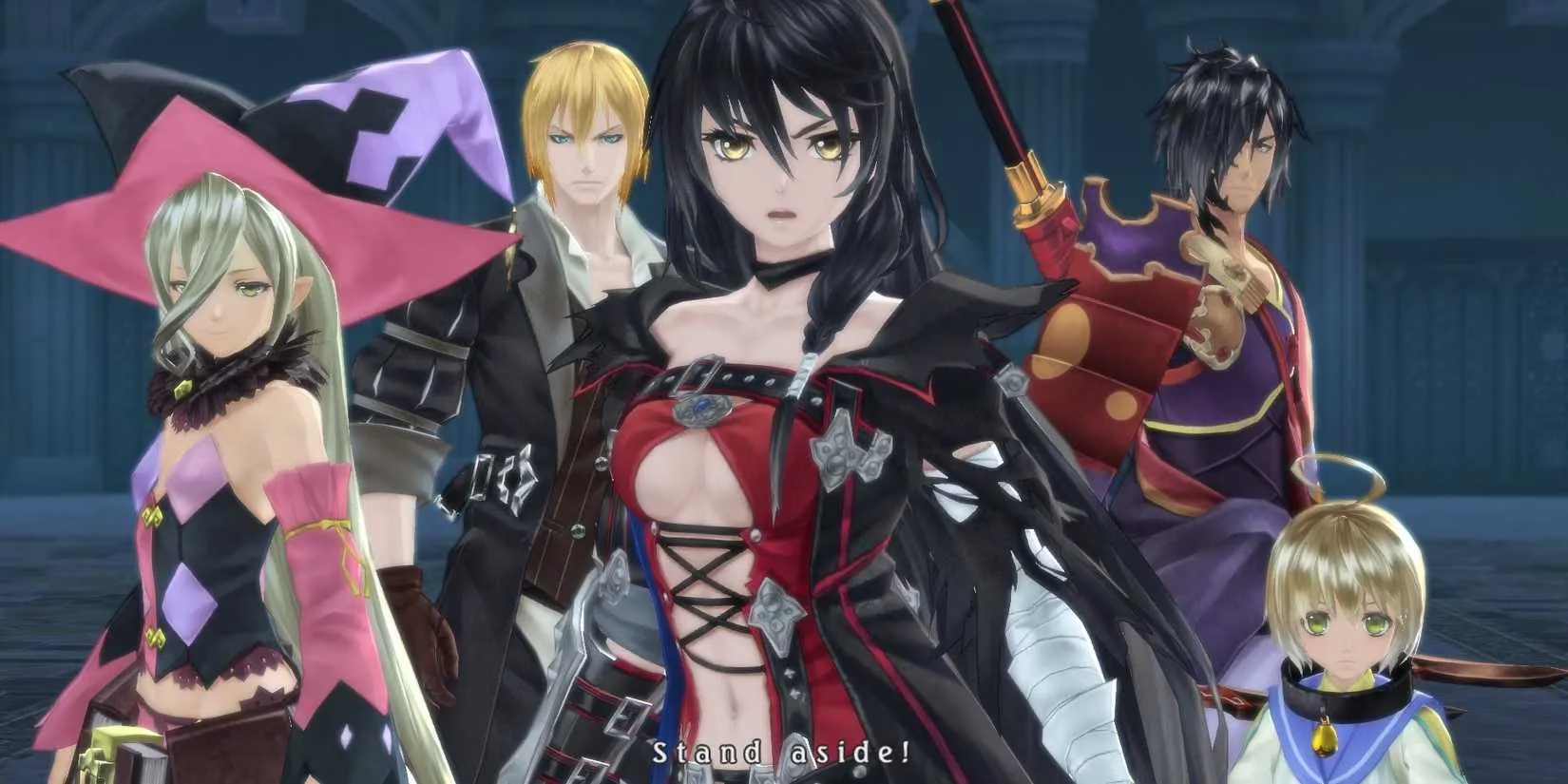
2015’s Tales of Zestiria was a bit of a gamble on the series’ part, ditching many established gameplay norms in the hopes of building something new. The end result was… a bit iffy, to put it diplomatically, but these problems were swiftly remedied in the game’s direct follow-up, Tales of Berseria. Tales of Berseria majorly refined all of the new gameplay elements introduced in Zestiria to create combat and exploration systems with much better flow. Berseria also built upon Zestiria’s established story in new and interesting ways thanks to being a prequel. Velvet's tale of revenge was darker and more gripping, proving that a sequel can also be a prequel and still improve everything.
2. NieR: Automata – A Fighting Machine
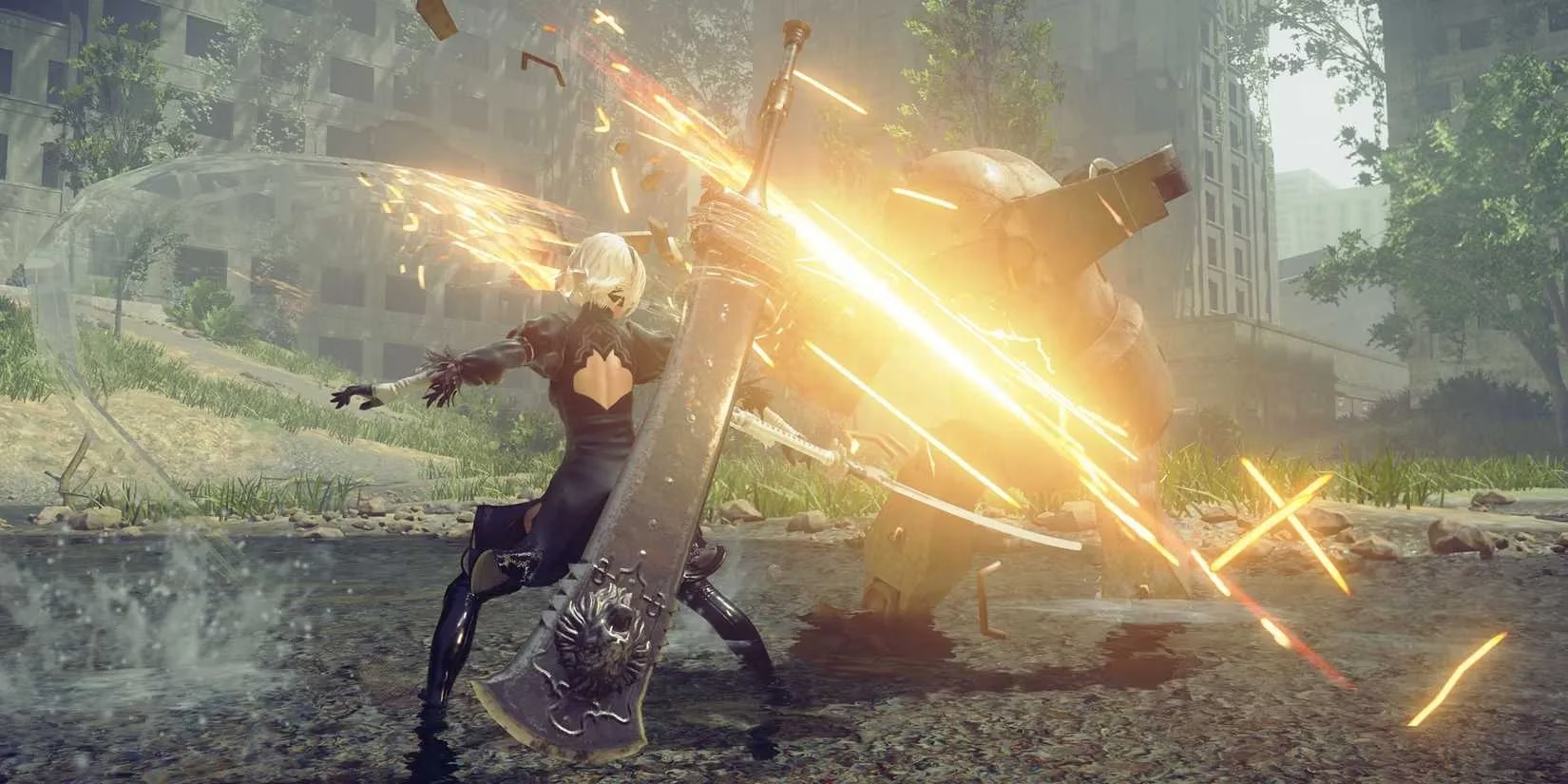
The original NieR: Replicant was a bit of an odd duck of an action JRPG. The combat was somewhat lacking in polish, and while the story was excellent, it was also a bit difficult to wrap your head around in one playthrough. NieR: Automata packs the polish that Replicant lacked, thanks in large part to an intricately-built combat system courtesy of character-action veterans Platinum Games. Automata’s story is also a bit more coherent than Replicant’s, while still featuring plenty of that high-concept weirdness you like from a Yoko Taro production. It's a sequel that transcends its predecessor, becoming a masterpiece in its own right. The multiple endings and philosophical themes left players pondering long after the credits rolled.
1. Shadow Hearts: Covenant – Improving On A Cult Classic
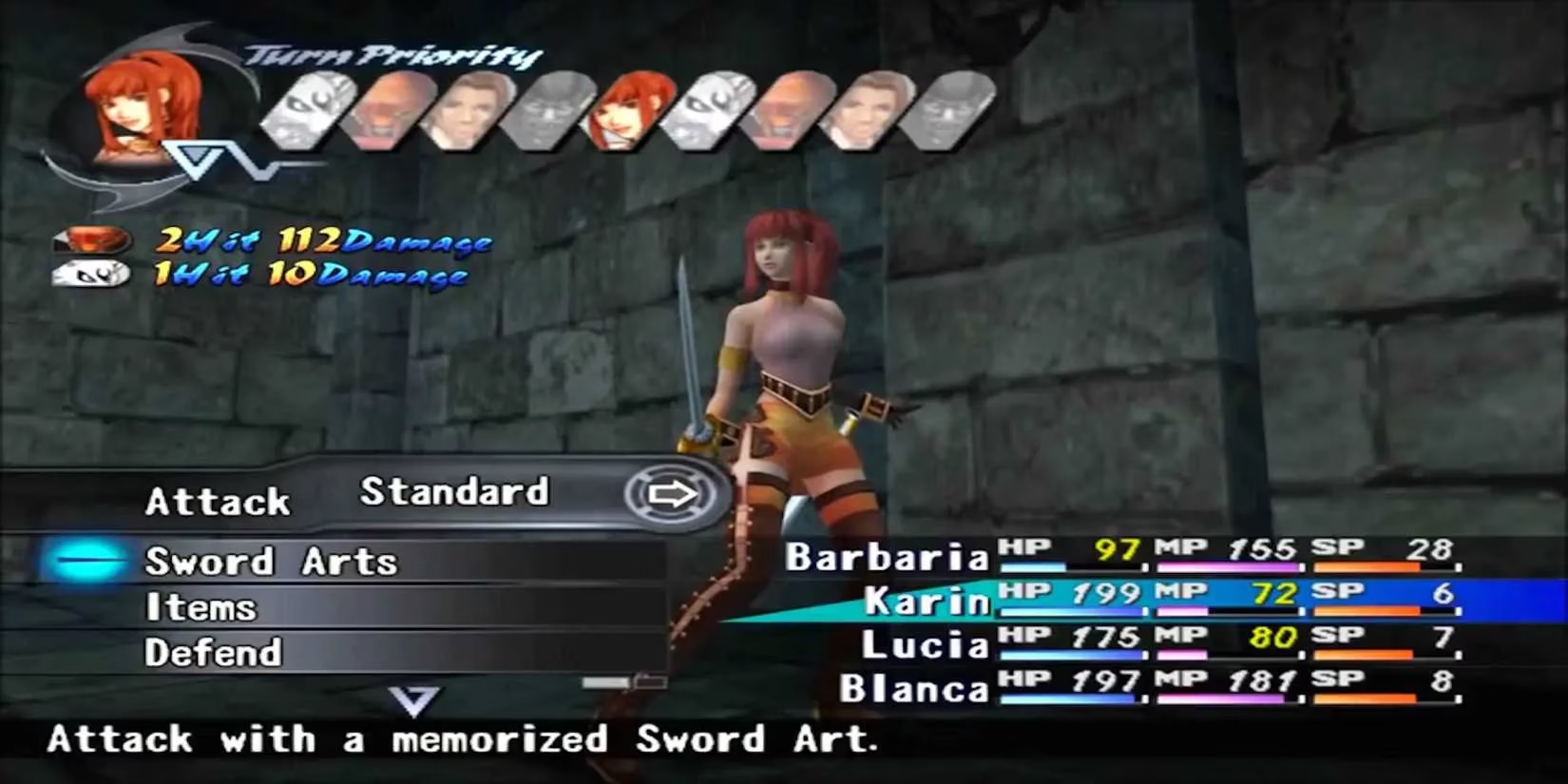
The original Shadow Hearts was a cult classic JRPG of the PlayStation 2 era. It was a bit of an experimental game, so it didn't exactly do gangbusters, but it's still well-regarded for its time. That said, the series started gaining a bit more broad appeal with the release of its first sequel, Shadow Hearts: Covenant. While Covenant's lighter story tone was a bit divisive, the improvements to its systems were undeniable, such as better dungeons and sidequesting content. The addition of combo attacks in particular opened up an entirely new avenue of character and combat optimization. It took a niche gem and polished it into a diamond, earning its place as one of the best JRPG sequels ever made.
Conclusion
These ten games demonstrate that a sequel can be so much more than a simple continuation. They can redefine franchises, introduce new mechanics that become staples, and tell stories that resonate for decades. In 2026, as the gaming landscape continues to evolve, these sequels remain beacons of what's possible when developers dare to improve rather than just repeat. Whether it's the high-flying action of Kingdom Hearts 2 or the emotional depth of Mother 3, each of these titles proves that the art of the sequel is one worth mastering. 🎮✨
COMMENTS