NieR: Automata's counter mechanic and Counter Chip offer aggressive players a powerful, risk-reward tool for reversing enemy attacks.
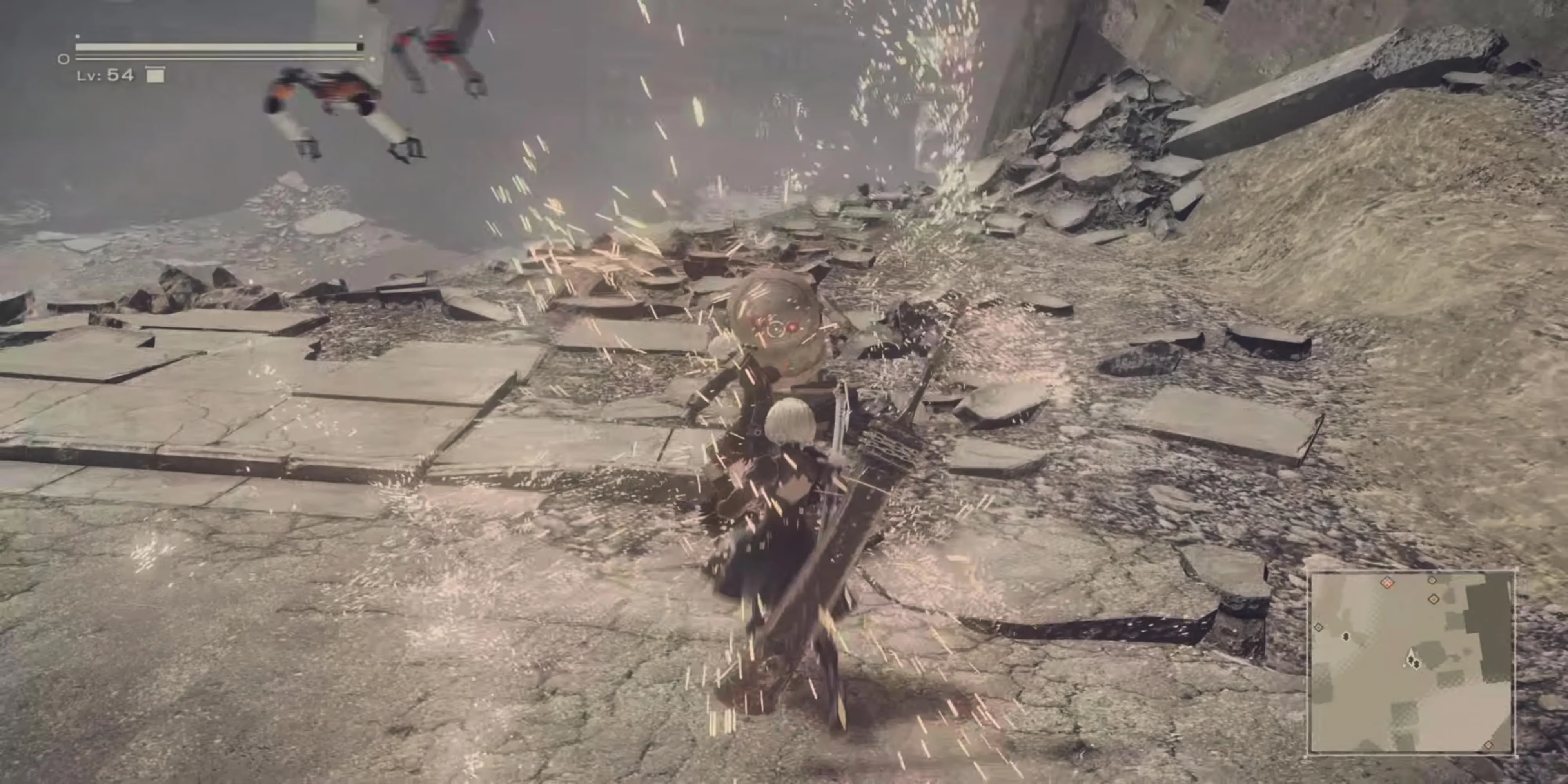
In NieR: Automata, aggressive play is often rewarded, and cutting down enemies before they can strike remains one of the most efficient approaches. Yet even the most relentless android builds benefit from a defensive option that does not simply avoid damage but reverses it. The counter mechanic sits among the game's more obscure systems, and it only works when the proper chip is equipped. Unlike the basic dodge, which is always available, countering is an optional tool, somewhat similar to the unusual self-destruct function. Players who are willing to dedicate chip space to this ability can transform dangerous melee encounters into opportunities.
Unlocking the Counter Chip
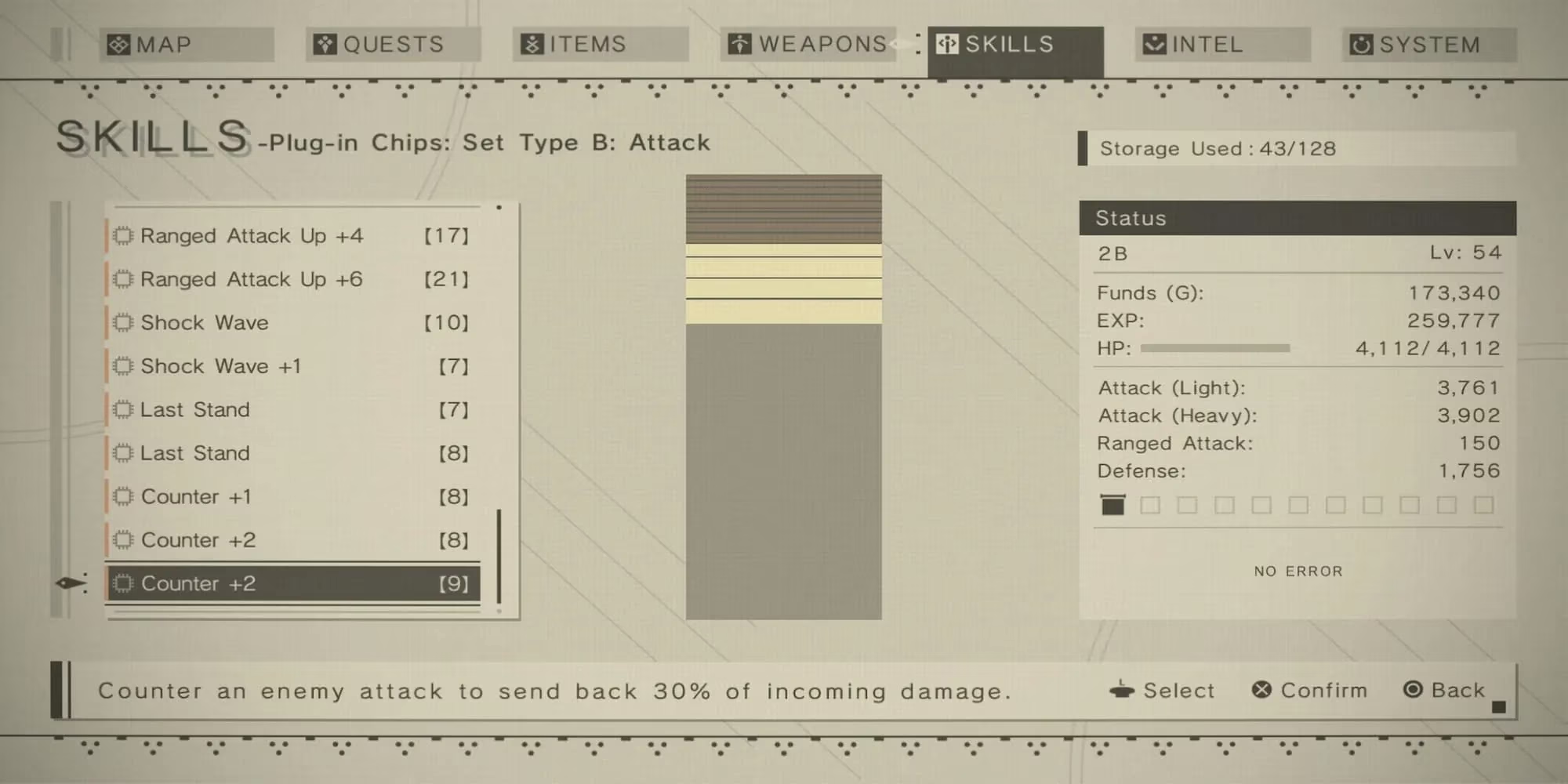
Unlike dodging, a player must equip a plug-in chip labeled Counter before the mechanic becomes usable. This chip can be purchased in the Resistance Camp or from Emil, and it may also drop from defeated enemies or be discovered on fallen androids. The damage dealt by a counter is not fixed; it is calculated as a percentage of the enemy's attack. The exact percentage depends on the quality and level of the equipped chip. Without a Counter chip installed, the mechanic will not activate at all, so even a perfect input will do nothing. This makes chip management a real consideration, because equipping Counter means potentially sacrificing other useful chips.
How to Perform a Counter
With a Counter Chip installed, the player should wait for an enemy to use a melee attack. Right before the attack connects, the player must move slightly toward the enemy. The exact controls vary by system:
| Platform | Input |
|---|---|
| PC | Tap the movement keys in the direction of the attacking enemy |
| Console or controller | Flick the movement joystick toward the attacking enemy |
This movement must occur at the exact moment the enemy's attack is about to hit. When performed correctly, the counter triggers. During a counter, the player becomes invulnerable to other incoming damage, and the enemy hit by the counter is knocked back. The counter also deals damage and interrupts the enemy's combo.
What makes countering different from simply moving toward an enemy and waiting? The action needs to be an independent, deliberate input made while first standing still. Holding a direction and walking into range will not trigger the mechanic. A last-moment flick or tap is essential.
Why Counters Matter in Combat
Many enemies in NieR: Automata use long attack combos, and a well-timed counter is excellent for interrupting them. Trying to dodge long combos often leads to a more defensive play style, because the player remains focused on evasion rather than attacking. A counter, however, lets the player turn the tables and begin their own combo in the middle of an enemy's attack sequence. This is especially effective when taunting enemies, since taunting draws melee aggression and creates more counter opportunities.
Does countering replace dodging? Not exactly. Countering complements dodging, especially against melee combos. Since a successful counter grants invulnerability, it can also serve as a defensive tool when surrounded, though it requires reading the incoming attack carefully.
Practical Tips
-
Equip higher-level Counter chips to increase the percentage of enemy attack damage reflected back.
-
Practice timing on smaller machines before attempting counters against bosses or elite enemies.
-
Use taunt abilities to provoke melee attacks and punish them with counters.
-
Remember that countering applies to melee attacks; projectiles and grabs may still require dodging.
Even in 2026, the counter remains a less-discussed but valuable technique for players revisiting NieR: Automata or experiencing it through newer platforms. Mastering this mechanic rewards precise timing and aggressive instincts, turning enemy pressure into a powerful opening.
COMMENTS