Sell items safely in NieR: Automata: cash in only those labeled 'Can be exchanged for money' like jewelry and fish—never lose upgrades.
I still remember the moment I accidentally sold a crucial weapon upgrade material in NieR: Automata. I was low on funds, looking at my overflowing inventory, and thought, “Surely all this machine junk is just for cashing in, right?” Wrong. That little mistake forced me to spend hours farming a rare drop later on. Over time, I’ve learned a simple system that separates the treasure from the trash, and now I’m going to share it with you. Whether you’re a first-time player in 2026 or returning for another playthrough, this guide will help you make smart choices about selling items, filling your wallet, and never regretting a sale again.
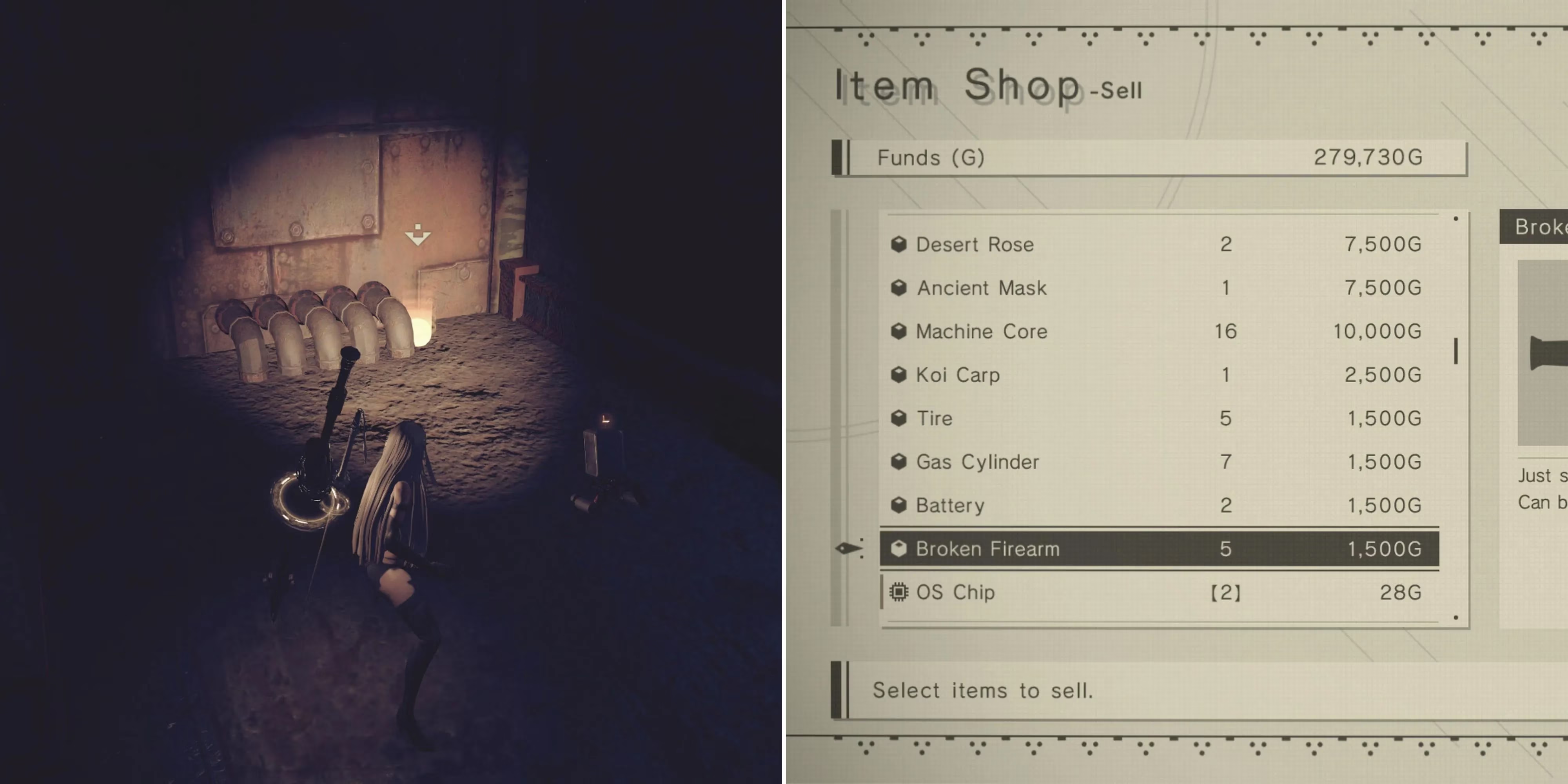
How to Tell If an Item Is Safe to Sell
The most reliable rule in the game is almost hidden in plain sight. Open your inventory and read the description of any item. If it says “Can be exchanged for money”, you can sell it immediately without a second thought. This specific phrase tells you two things: first, the item is worth a good amount of G; second, it has absolutely no other use in the entire game. No weapon upgrades, no pod programs, no side quests—just pure, guilt-free income. Once I started filtering my inventory by that line, I never worried about losing something important again.
But be careful! Not every item that seems useless carries that label. Many common machine parts, flowers, or ores might look like vendor fodder, but they are actually essential upgrade materials. Always double-check before dumping everything into the sell window.
✅ Items You Should Always Sell
Let me break down the categories of items that are universally safe to sell. These have consistently given me the best bang for my buck without any risk.
-
Fishing Catches 🎣: Any fish or junk you reel in from waterways exists purely for your wallet. Whether it’s a rusty bucket or a gleaming koi, the “Can be exchanged for money” note is always there. Fishing is also a relaxing way to grind G, so keep those catches and visit the nearest merchant.
-
Jewelry 💍: Lustrous gems, ornate rings, and elegant necklaces dropped by machine lifeforms or found in chests are all high-value sellables. The fancier the description, the more G you’ll earn.
-
Masks 🎭: These creepy collectibles sell for a premium and serve no crafting purpose. I used to hoard them thinking a quest might ask for a set, but no such quest exists.
-
Animal Meat 🍖: Boar meat, moose meat, or any cooked-looking protein falls into this category. Though it might tempt you to think of healing items, you can’t cook it further—just exchange it for a tasty pile of coins.
-
Various “Junk” Items: Keep an eye out for things like broken circuits, worn-out plugs, or other explicitly labeled vendor trash. They usually come from destructible objects in the environment.
A quick tip: before a major shopping spree, I do a “description sweep.” I sort my inventory and sell every single item that carries the magic phrase. It takes seconds and nets a surprising amount of cash.
🚫 Items You Should NEVER Sell (Unless You Love Regret)
Here’s where my earlier pain can save you. Many items that look like junk are actually the lifeblood of your progression. I once sold a stack of Moldavite because I hadn’t yet discovered the weapon it upgraded. Big mistake.
The following categories should stay locked in your inventory until you’ve fully upgraded everything you care about:
-
Machine Parts: Broken lenses, severed cables, machine cores—these are the bread and butter of weapon upgrades at the blacksmith. Even common ones can be needed in bulk, so resist the urge to liquidate them.
-
Ores and Crystals: Pyrite, moldavite, meteorite, and similar minerals are all used to improve weapons and pods. Their drop rates can be stingy, so stockpile them early.
-
Plant-based Materials: Strange seeds, medicinal herbs, or glowing mushrooms might not shout “upgrade material,” but many are tied to pod enhancements or specific quests.
-
Quest-Related Drops: If an item’s description mentions a strange power or a mysterious origin, it’s probably tied to a side story. Hold onto it until you’re absolutely sure the quest is complete.
I learned to check the in-game weapon and pod upgrade lists (easily found within the menu) before selling any batch of materials. It’s a habit that has saved me hours of backtracking.
💰 Where You Should Spend All That Extra Money
Once you’ve mastered the art of selling, you’ll find yourself surprisingly rich. But throwing G at random consumables isn’t the smartest move. Here’s how I prioritize my spending after multiple playthroughs.
1. Weapon Upgrades
Your first and biggest investment should always be upgrading your favorite weapons. Each weapon has four levels, and the stat jumps are massive. Maxing out a weapon like Virtuous Contract or the Type-40 Blade early can change the entire difficulty curve. The blacksmith at the Resistance Camp will happily take your G in exchange for raw damage—and some materials you’ve wisely saved.
2. Pod Programs and Upgrades
Pod abilities are often underestimated, but a fully upgraded Pod B (Laser) or Pod C (Missiles) can annihilate groups of enemies before they touch you. Purchasing upgrade chips and program modules from vendors is a direct path to making your little buddy a powerhouse.
3. High-Quality Plug-in Chips
Not all chips are dropped by enemies. Some of the most powerful ones, including rare crit-boost or overclock chips, are only sold by specific merchants. Save your G to snag these limited-stock chips as soon as they appear. Combining them with your existing chip set can create devastating builds.
4. Consumables (But Only What You Need)
Outside of these core investments, I keep a modest stack of healing gels and status-cleansing items. There’s no need to max out on every potion—just enough to handle a surprise boss encounter or a tricky platforming section.
Final Tips from a Reformed Item Hoarder
Through my journey across the wasteland, I’ve developed a few extra habits that keep my inventory clean and my wallet full:
-
Fish whenever you see a calm pool. It’s mindless, meditative, and often yields items that sell for thousands per cast.
-
Always sell in bulk after a major story event. Newly defeated enemies often drop a fresh wave of sellable loot.
-
Keep one stack of every material unless the description shouts “Can be exchanged for money.” You never know when a new weapon discovery will demand that one obscure bolt you almost deleted.
-
Use the item description as your compass. The developers were generous enough to label pure vendor trash—don’t ignore their gift.
By following these simple guidelines, you’ll never have to worry about accidentally crippling your upgrade path. You’ll stroll into every merchant with confidence, turn your clutter into cash, and funnel that G straight into becoming an unstoppable android warrior. Now go sell that mask collection and finally afford that critical hit chip you’ve been eyeing!
COMMENTS