Opera in video games elevates narrative and emotion, merging high art with interactive escapism for unforgettable, soul-stirring moments.
There is a peculiar magic that blossoms when the stoic walls of a digital world crack open to let a cascade of aria spill forth. I’ve spent decades with a controller in my hand, chasing pixels and narratives, and yet nothing quite stirs the soul like the unexpected crescendo of opera in a video game. It’s a moment of sheer, unadulterated je ne sais quoi—a collision of high art and interactive escapism that reminds me why this medium is a true Gesamtkunstwerk. These operatic vignettes aren't mere background noise; they're narrative detonations, boss fight anthems, and character revelations wrapped in vibrato and tragedy. As we stand here in 2026, still dissecting the classics, let me take you on a journey through the sequences that left me slack-jawed, controller loose in my grip, whispering “Bravo!” at the screen.
8. The Amusement Park Theatre – Nier: Automata
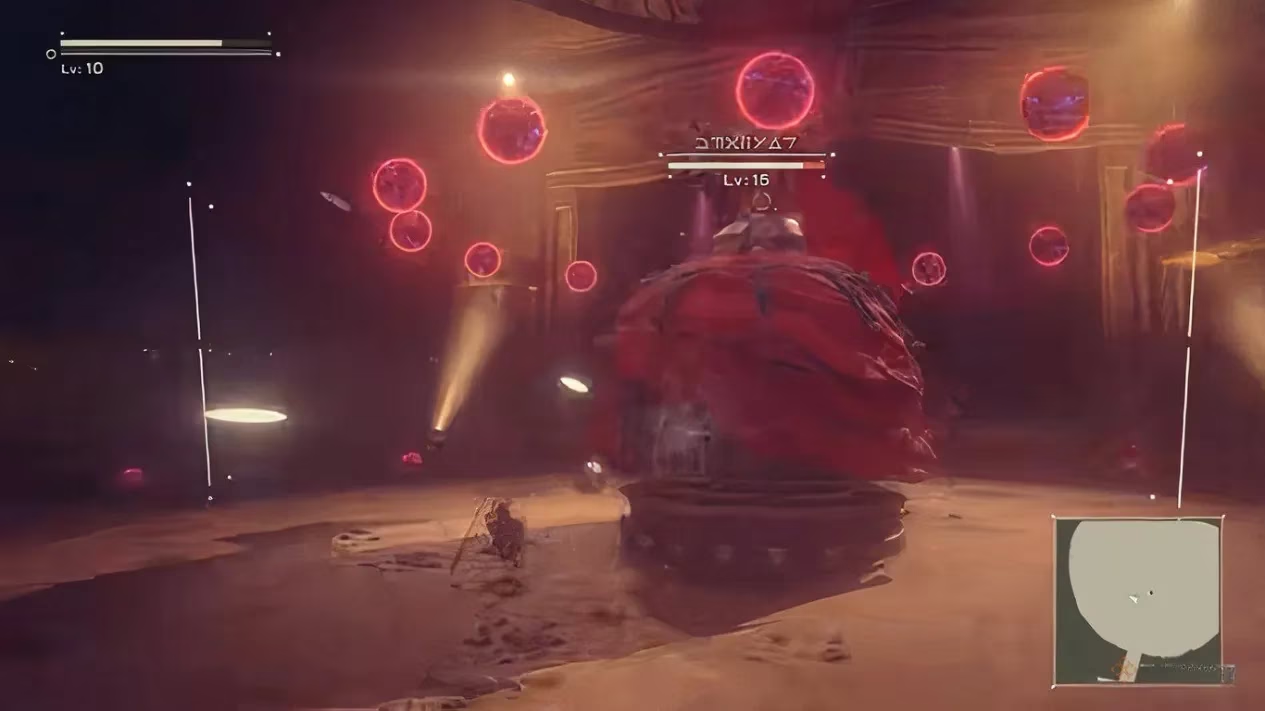
In the desolate, rust-dusted carnival of Nier: Automata, machines are supposedly unfeeling husks. Yet there, amidst the broken rides, a mechanical diva named Simone shatters that illusion with a voice that could make angels weep. When I first heard her sing, it was a sucker punch to the gut. Isn’t the creation of art the ultimate litmus test for a soul? Simone, however, is no fragile songbird. She cannibalizes her own kind to fuel her obsession with beauty, and her boss fight is a masterpiece of dissonance. The stage where you duel her pulses with her keening operatic vocals, and each attack is choreographed like a deranged ballet. Defeating her feels less like triumph and more like putting a tortured artist out of her misery. The machines afterwards thank you, and I was left contemplating the thin line between humanity and programming, all while humming her melody. It’s a haunting, gorgeous gut-punch that only Yoko Taro could deliver.
7. James Marcus' Lullaby – Resident Evil 0
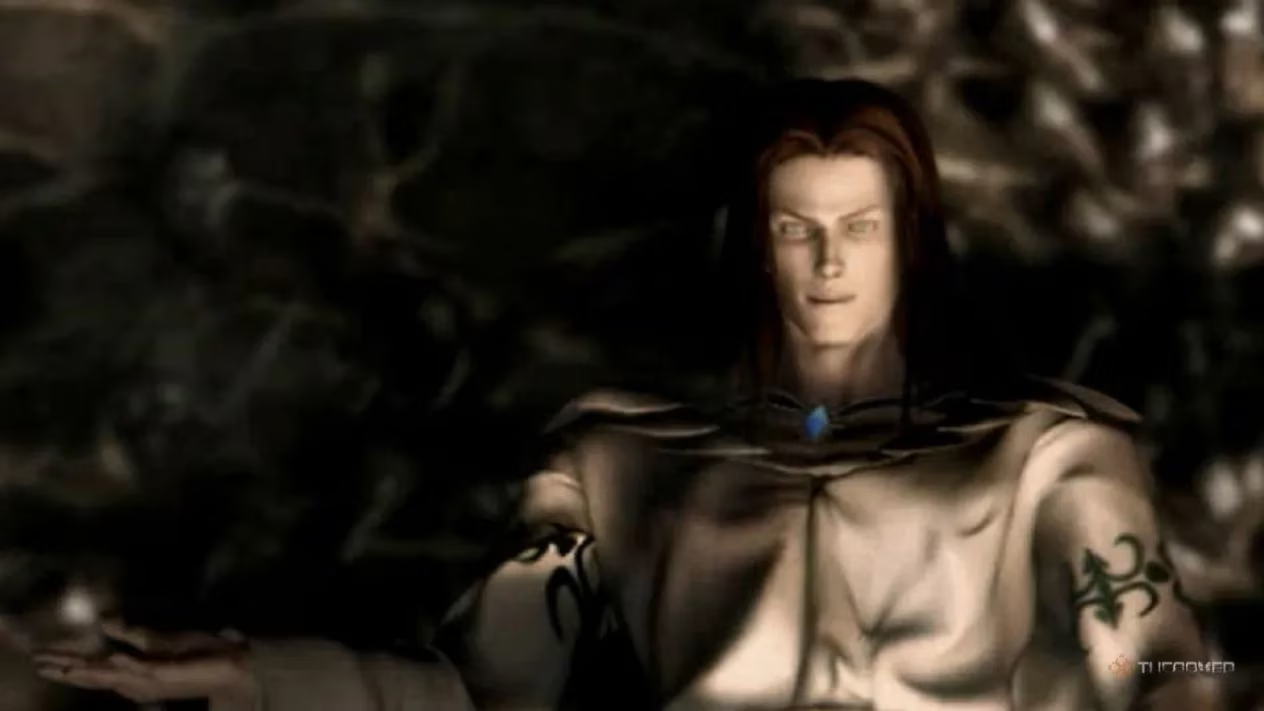
Resident Evil’s rogues gallery is filled with tyrants and megalomaniacs, but James Marcus? He’s a different breed of creepy—one that serenades you with opera before morphing into a leech-infested nightmare. This virologist and part-time opera singer is a bizarre anomaly in the series, and honestly, that’s his charm. When he unveils his younger self to Rebecca and Billy, crooning with unnerving refinement, I couldn’t help but shiver. It’s a moment of pure WTF-ery that screams “Resident Evil.” He might not top Wesker in charisma, but his vocal chops add a layer of theatrical, gentlemanly horror that sticks to your ribs. After all, what’s scarier than a cultured villain who treats your impending doom like opening night at La Scala? Chef’s kiss, capcom.
6. A Night at the Opera – Parasite Eve
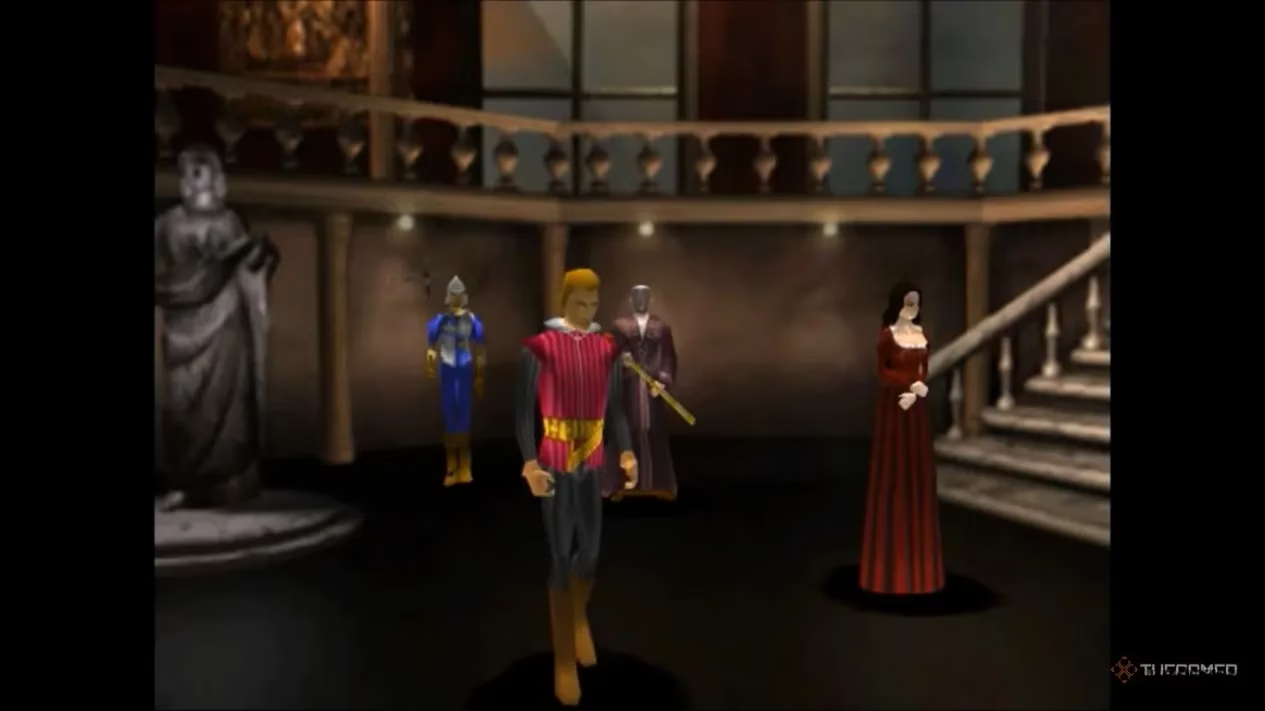
Parasite Eve is a bold fusion of survival horror and turn-based combat, and its opening sequence is permanently etched into my gamer brain. Aya Brea attends a performance at Carnegie Hall, and the FMV that unfolds is pure early-PS1 cinematic gold. The diva on stage lets loose her aria, and suddenly, the audience spontaneously combusts—everyone except Aya. I can still hear the screams, the panic, and then the magnificent mutation of the singer, who reveals Aya’s mitochondrial destiny. It’s a masterclass in cold open storytelling, setting the stage for one of Square’s most audacious experiments. That operatic disaster is a perfect blend of elegance and body horror, and it hooked me from the first note. Who knew mitochondria could be so dramatic?
5. I Want to Be Your Canary – Final Fantasy IX
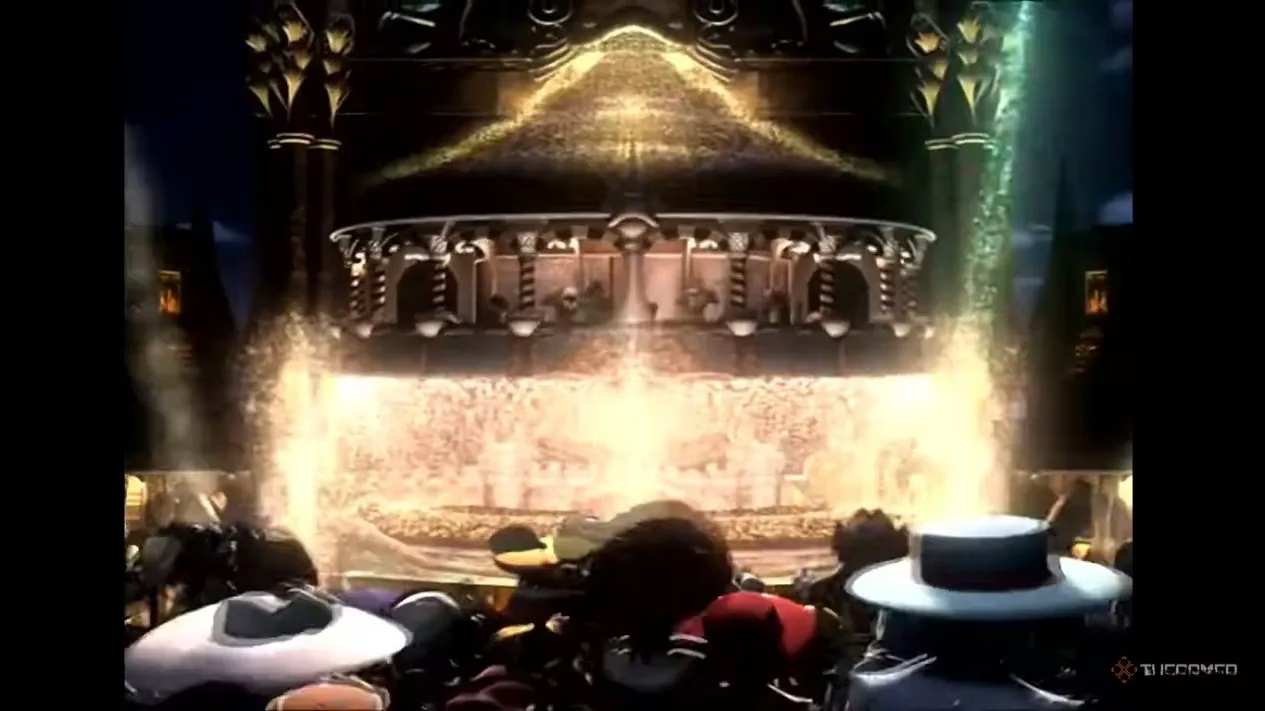
Final Fantasy IX opens with a bang—or rather, a mischievous heist during a stage play that feels like an opera within a game. “I Want to Be Your Canary” isn’t just a catchy tune; it’s a masterfully crafted introduction to Zidane and his motley crew. The moment that curtain rises, I was whisked into a world of whimsy, chocobos, and sneak attacks. Nobuo Uematsu’s composition is as timeless as ever, blending playful melodies with the grandiose vibe of a theatrical production. The entire sequence is a metafictional joyride, blurring the lines between the player’s anticipation and the audience within the game. It’s the perfect appetizer for a JRPG that celebrates its own legacy, proving that you can have your opera and steal from it too.
4. The Great Mighty Poo – Conker's Bad Fur Day
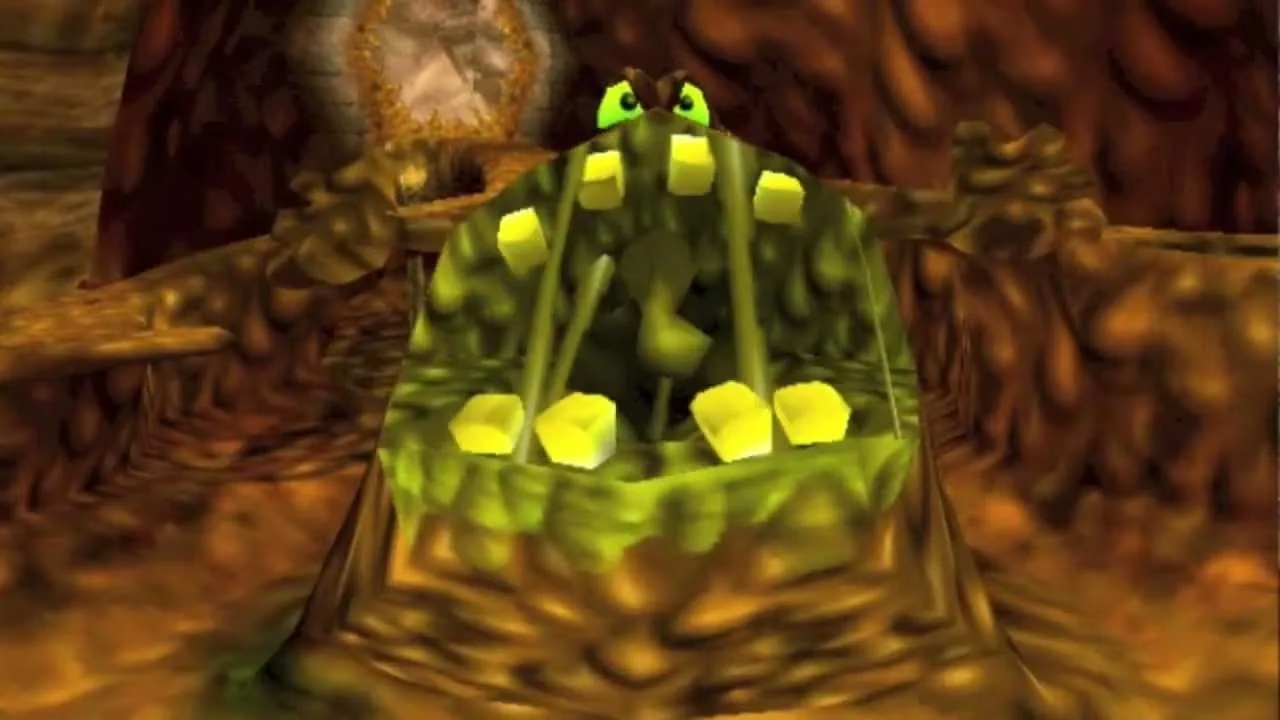
Leave it to Rare to turn a singing turd into one of the most memorable operatic performances in gaming history. Conker’s Bad Fur Day is a treasure trove of crude humor, and The Great Mighty Poo is its crown jewel—er, crown log? This gigantic, sentient mound of feces belts out a surprisingly catchy aria while literally flinging its own waste at you. The karaoke lyrics at the bottom of the screen invited me to sing along in horrified amusement. It’s a boss battle that weaponizes toilet humor with such unashamed glee that I can’t help but respect it. The stench of that fight may fade, but the memory of a turd hitting high notes with operatic gusto? That’s forever, my friends. It’s absolutely bonkers, and I adore it for that.
3. Oh, One True Love – Undertale
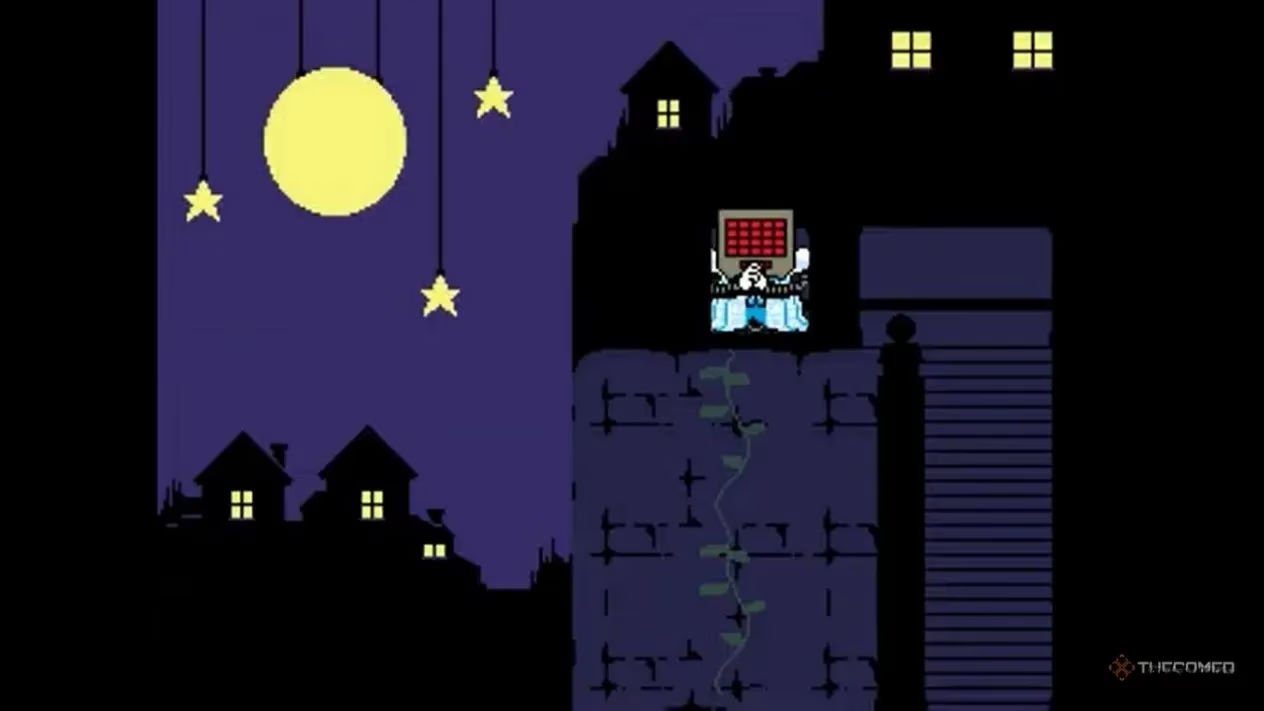
Toby Fox poured his nostalgic heart into Undertale, and the opera segment with Mettaton is a glorious, overt tribute to Final Fantasy VI. As the flamboyant robot puts you through a gauntlet of television-style torment, he eventually transforms the setting into a full-blown opera tragedy. Mettaton, perched on a balcony, sings of his one true love while attempting to obliterate you with disco balls and drama. The absurdity is pitch-perfect. It’s a love letter not just to the SNES classic, but to the power of gaming to be ridiculously, earnestly emotional. When his true form is revealed, the meta-commentary on performance and identity hit me like a pixelated truck. Moments like this are why Undertale became a cultural phenomenon—it knows how to remix nostalgia into something profoundly new.
2. Maria and Draco – Final Fantasy VI
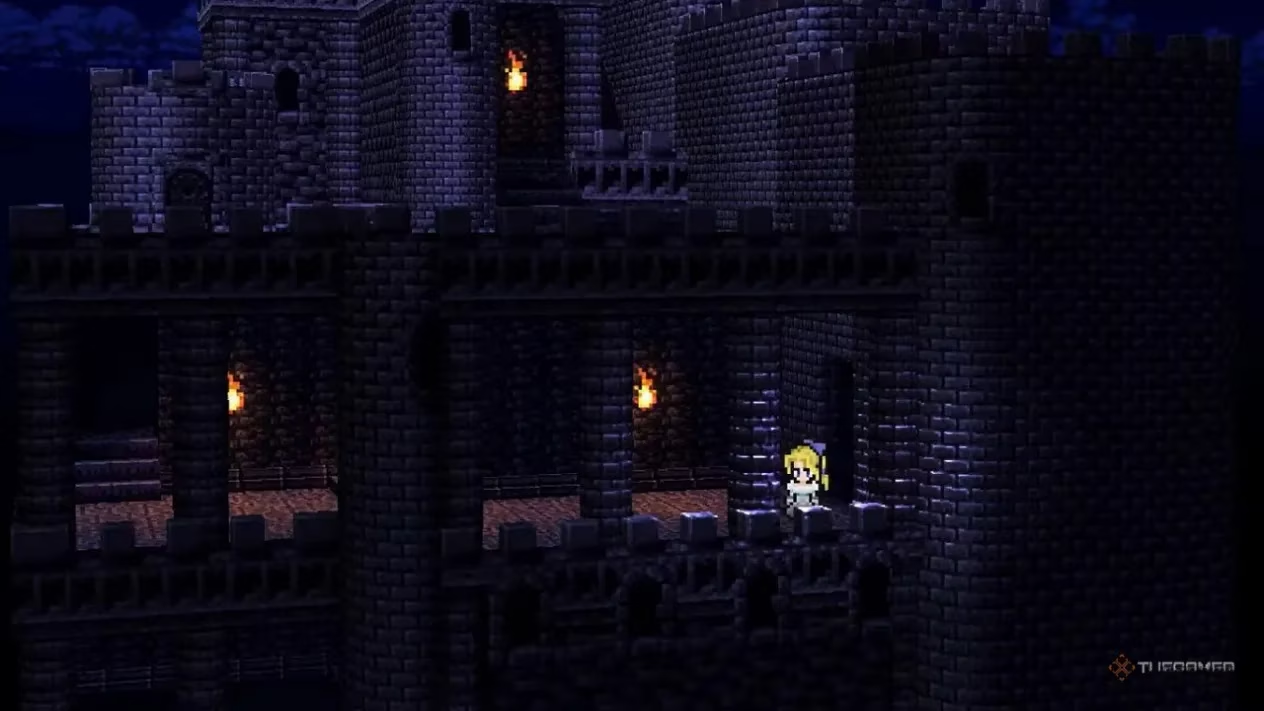
Say the words “the opera scene” to any seasoned gamer, and their mind will immediately alight on Final Fantasy VI. This is the granddaddy of all video game operas, the moment where 16-bit pixels transcended into pure emotion. When Celes steps in to replace Maria, the MIDI vocals of the original SNES version delivered a gut-punch that I can still feel. That sequence—desperate general, lost love, a fleeting hope for peace—is a miniature masterpiece of storytelling. The remastered Pixel Remaster in 2022 gave her real vocals, sparking debate but proving the scene’s timeless pull. In 2026, I still consider this the benchmark for how games can weave performance into gameplay. It’s not just an opera; it’s a symphony of heartbreak and heroism, and I will never tire of it.
1. Curtains Down – Hitman: Blood Money
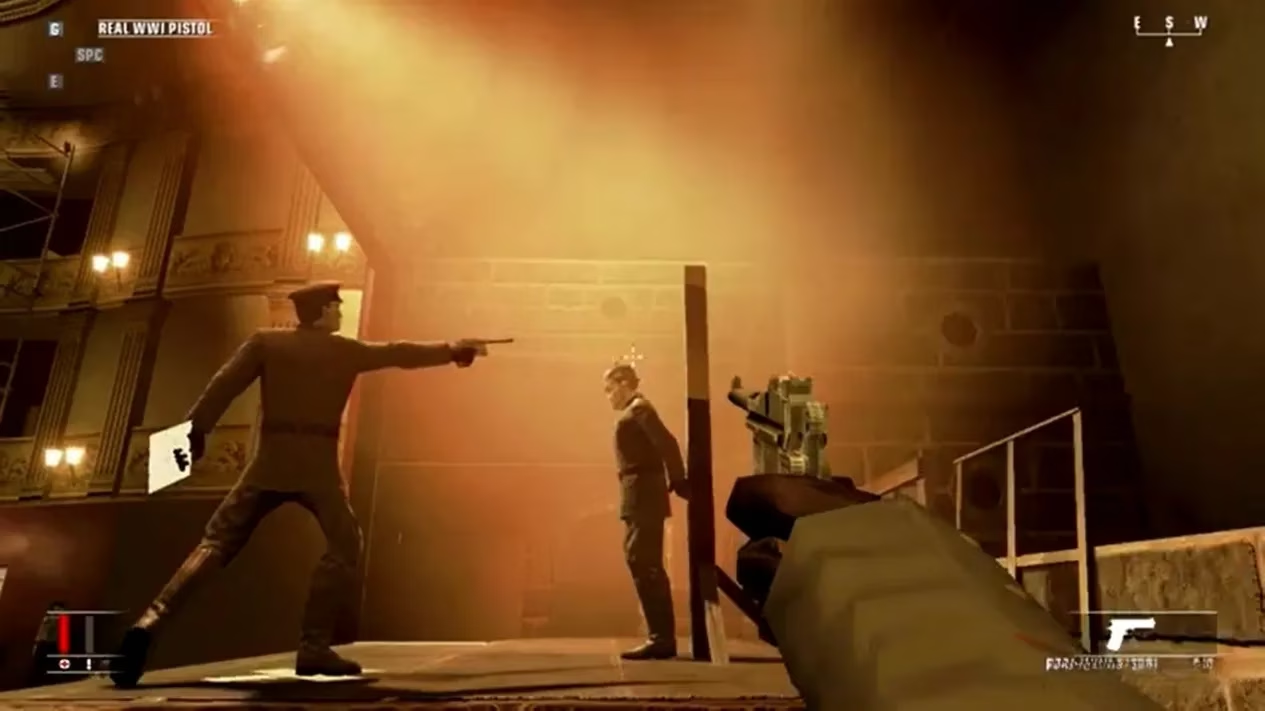
In Hitman: Blood Money, the “Curtains Down” mission is a devilish delight set during a rehearsal of Tosca. The target is an actor scheduled to face a mock execution on stage. The genius of this level lies in the infamous option every silent assassin dreams of: swapping the prop gun for a genuine one. When the next performance unfolds, the poor tenor meets a very real, very final bow. It’s dark, sophisticated, and utterly Hitman. The opera house setting provides the perfect contrast of high culture and cold-blooded murder. I’ve played this mission more times than I can count, and the thrill of that perfectly timed swap never ages. It’s the ultimate fusion of opera’s deathly finales and the methodical poetry of assassination.
These operatic moments are more than just Easter eggs; they are flashes of sheer, radical creativity that remind me why video games will forever be my go-to art form. They borrow the weight of centuries-old tradition and inject it with interactivity, humor, and heartbreak. As I sit here in 2026, controller in hand, I can’t help but hope the next generation of developers looks back at these arias and feels inspired to compose new digital masterpieces. So raise a glass—or a headset—and let the games sing on. Bravissimo!
COMMENTS